Buy tfyyc.com ?
We are moving the project
tfyyc.com .
Are you interested in purchasing the domain
tfyyc.com ?
domain@kv-gmbh.de · 0541-91531010
Buy tfyyc.com ?
Are halogens reducing agents?
No, halogens are not reducing agents. In chemical reactions, reducing agents are substances that donate electrons to other reactants, causing them to be reduced. Halogens, on the other hand, are highly electronegative elements that tend to gain electrons rather than lose them, making them more likely to act as oxidizing agents. **
Are all halogens toxic?
Yes, all halogens are toxic to some extent. Halogens such as fluorine, chlorine, bromine, and iodine can be harmful if ingested, inhaled, or absorbed through the skin in large amounts. They can cause irritation, burns, and even more serious health effects depending on the level of exposure. It is important to handle halogens with caution and follow proper safety protocols when working with them. **

Similar search terms for Halogens
Top-Angebote
Products related to Halogens:
-
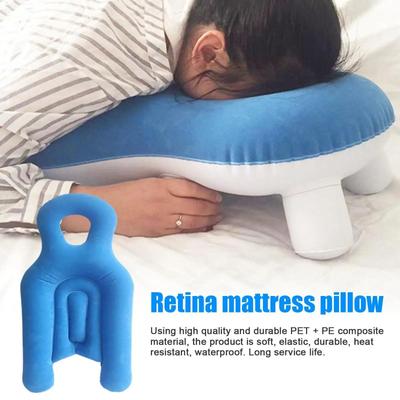
Uplifted Finds Inflatable Face Down Recovery Pillow Vitrectomy & Retina Sleep Support Boutique Wellness Sanctuary Inflatable Face Down Recovery Pillow Vitrectomy & Retina Sleep Support Boutique Wellness Sanctuary"Inaugurate a powerful ""RestSanctuary"" energy in your environment with our ultimate 2026 postsurgical recovery solution. The FaceDown Inflatable Recovery Pillow is the ultimate designer choice for creating a ""PeaceModern"" or ""StudioLuxe"" atmosphere..."144,97 $*Shipping: 0,00 $Secure redirect to the provider
-
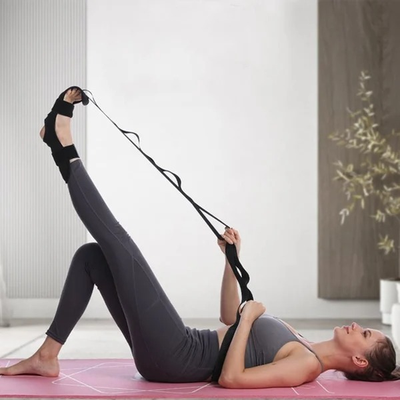
StayWell Fascia Stretcher For Muscle Pain Relief & Flexibility Ideal Fitness & Wellness Gift Fascia Stretcher For Muscle Pain Relief & Flexibility Ideal Fitness & Wellness GiftTransform Your Health with the Ultimate Fascia StretcherAre tight muscles holding you back from living an active, painfree life Persistent muscle tightness, especially in the lower back and legs, can lead to significant discomfort and limit your...26,97 $*Shipping: 0,00 $Secure redirect to the provider
-
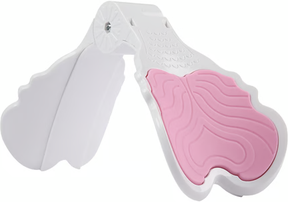
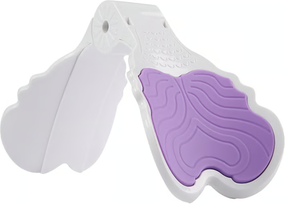
StayWell Pelvic Hip Trainer Strengthen Pelvic Muscles Perfect Fitness & Wellness Gift PinkTransform Your Curves with the Ultimate Pelvic Hip TrainerEvery woman dreams of achieving fuller hips, a curvy back, firm buttocks, and toned inner thighs. With our Pelvic Hip Trainer, you can turn that dream into reality without the need for...34,97 $*Shipping: 0,00 $Secure redirect to the provider
-
Skip's Garage Success Nutrition Facts Outdoor Cornhole Board SetIncludes: (2) Cornhole Boards & (8) Bags. Easily Choose Your Board Size & Type. Bags Will Complement The Board Colors. Easily Message Us Bag Color Requests. Add Accessories like Carry Cases, Hole Lights or Edge Lights.437,99 $*Shipping: 0,00 $Secure redirect to the provider

-
Why are halogens so reactive?
Halogens are so reactive because they have seven electrons in their outermost energy level, making them only one electron short of achieving a stable octet configuration. This makes them highly reactive as they tend to gain an electron to achieve a stable electron configuration. Halogens readily react with other elements to gain that missing electron, forming stable compounds. This reactivity is what makes halogens useful in a variety of chemical reactions and applications. **
-
Which halogens are found in algae?
Halogens found in algae include chlorine, bromine, and iodine. These halogens play important roles in the metabolism and growth of algae. Chlorine is involved in photosynthesis, bromine is essential for the production of certain compounds, and iodine is important for the regulation of growth and development in algae. **
-
What does the term halogens mean?
The term halogens refers to a group of chemical elements that belong to Group 17 of the periodic table. These elements include fluorine, chlorine, bromine, iodine, and astatine. Halogens are highly reactive nonmetals that have seven electrons in their outermost energy level, making them likely to form compounds by gaining one electron to achieve a full outer shell. They are known for their distinctive color, odor, and ability to react with metals to form salts. **
-
Which halogens are present in algae?
Algae can contain various halogens, including chlorine, bromine, and iodine. These halogens are essential for the growth and development of algae, as they are involved in various physiological processes such as osmoregulation, antioxidant defense, and the production of bioactive compounds. Additionally, the presence of halogens in algae can also have ecological implications, as they can influence the interactions between algae and other organisms in their environment. **

What is the room temperature of halogens?
The room temperature of halogens varies depending on the specific element. For example, fluorine is a gas at room temperature, chlorine is a gas, bromine is a liquid, and iodine is a solid. Overall, halogens tend to have low melting and boiling points compared to other elements, which is why they are typically found in gas or liquid form at room temperature. **
What is the boiling point of the halogens?
The boiling points of the halogens increase as you move down the group in the periodic table. Fluorine, the lightest halogen, has a boiling point of -188.1°C, while chlorine has a boiling point of -34.04°C. Bromine, the third halogen, has a boiling point of 58.8°C, and iodine, the heaviest halogen, has a boiling point of 184.3°C. Astatine, the rarest halogen, has a boiling point of 337°C. **
Top-Angebote
Products related to Halogens:
-
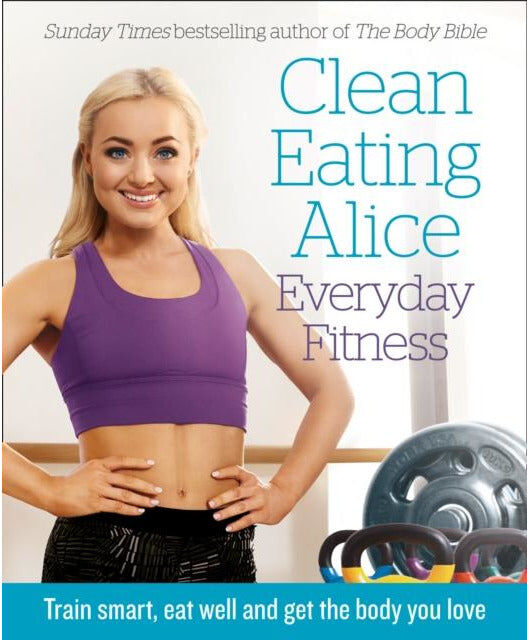
HARPERCOLLINS Clean Eating Alice: Everyday Fitness – Healthy Recipes & Practical Workout Guide for Everyday Wellness by Alice Liveing – Workout & Nutrition GuideTransform your approach to health and fitness with Clean Eating Alice Everyday Fitness: Train Smart, Eat Well and Get the Body You Love by Alice Liveing. This practical, motivating guide combines smart training principles with balanced nutrition to help readers build strength, confidence, and sustainable healthy habits. Alice Liveing shares structured workout plans, approachable meal ideas, and realistic lifestyle advice designed to fit everyday routines — no extremes or quick fixes required. Focused on long-term wellbeing rather than short-term dieting, the book empowers readers to develop a positive relationship with food and exercise while working toward personal fitness goals. Whether you’re new to training or refining your routine, this guide offers clear, supportive direction for lasting results. Why Readers Love This Book: Structured fitness training plans for real-life schedules Balanced nutrition guidance — no fad dieting Encourages sustainable, long-term habits Motivational, beginner-friendly tone Ideal for home or gym-based workouts A smart, accessible roadmap to healthier living, Clean Eating Alice Everyday Fitness helps readers feel strong, energized, and confident.2,80 £*Shipping: 1,99 £Secure redirect to the provider
-
Harper ltd Max Lugavere 2 Book Set – Genius Foods & The Genius Life Brain Health, Nutrition & Wellness CollectionMax Lugavere 2-Book Collection Set (The Genius Life & Genius Foods – Nutrition, Health, Wellness, Diet, Brain & Body Health, Self-Help & Fitness) The Genius Life: Heal Your Mind, Strengthen Your Body, and Become Extraordinary: Supporting the work of Battersea Dogs and Cats Home.Enjoy a heartwarming dog to brighten every single day of the year. From Pickles, the dog who single-handedly saved the 1966 world cup, to Pal, who found silver screen fame as the original Lassie, Battersea's A Dog a Day contains 365 fascinating stories of dogs to enjoy throughout the year.Beautifully packaged and illustrated throughout with charming illustrations of cheeky puppies and hounds, this is the perfect book for any lover of our four-legged friends. Genius Foods: Become Smarter, Happier, and More Productive While Protecting Your Brain for Life: After his mother was diagnosed with a mysterious form of dementia, Max Lugavere put his successful media career on hold to learn everything he could about brain health and performance. For the better half of a decade, he consumed the most up-to-date scientific research, talked to dozens of leading scientists and clinicians around the world, and visited the country’s best neurology departments—all in the hopes of understanding his mother’s condition.Now, in Genius Foods, Lugavere presents a comprehensive guide to brain optimization. He uncovers the stunning link between our dietary and lifestyle choices and our brain functions, revealing how the foods you eat directly affect your ability to focus, learn, remember, create, analyze new ideas, and maintain a balanced mood.12,95 £*Shipping: 2,99 £Secure redirect to the provider
-
Uplifted Finds Inflatable Face Down Recovery Pillow Vitrectomy & Retina Sleep Support Boutique Wellness Sanctuary Inflatable Face Down Recovery Pillow Vitrectomy & Retina Sleep Support Boutique Wellness Sanctuary"Inaugurate a powerful ""RestSanctuary"" energy in your environment with our ultimate 2026 postsurgical recovery solution. The FaceDown Inflatable Recovery Pillow is the ultimate designer choice for creating a ""PeaceModern"" or ""StudioLuxe"" atmosphere..."144,97 $*Shipping: 0,00 $Secure redirect to the provider
-
StayWell Fascia Stretcher For Muscle Pain Relief & Flexibility Ideal Fitness & Wellness Gift Fascia Stretcher For Muscle Pain Relief & Flexibility Ideal Fitness & Wellness GiftTransform Your Health with the Ultimate Fascia StretcherAre tight muscles holding you back from living an active, painfree life Persistent muscle tightness, especially in the lower back and legs, can lead to significant discomfort and limit your...26,97 $*Shipping: 0,00 $Secure redirect to the provider
-
Are halogens reducing agents?
No, halogens are not reducing agents. In chemical reactions, reducing agents are substances that donate electrons to other reactants, causing them to be reduced. Halogens, on the other hand, are highly electronegative elements that tend to gain electrons rather than lose them, making them more likely to act as oxidizing agents. **
-
Are all halogens toxic?
Yes, all halogens are toxic to some extent. Halogens such as fluorine, chlorine, bromine, and iodine can be harmful if ingested, inhaled, or absorbed through the skin in large amounts. They can cause irritation, burns, and even more serious health effects depending on the level of exposure. It is important to handle halogens with caution and follow proper safety protocols when working with them. **
-
Why are halogens so reactive?
Halogens are so reactive because they have seven electrons in their outermost energy level, making them only one electron short of achieving a stable octet configuration. This makes them highly reactive as they tend to gain an electron to achieve a stable electron configuration. Halogens readily react with other elements to gain that missing electron, forming stable compounds. This reactivity is what makes halogens useful in a variety of chemical reactions and applications. **
-
Which halogens are found in algae?
Halogens found in algae include chlorine, bromine, and iodine. These halogens play important roles in the metabolism and growth of algae. Chlorine is involved in photosynthesis, bromine is essential for the production of certain compounds, and iodine is important for the regulation of growth and development in algae. **
Similar search terms for Halogens
-
StayWell Pelvic Hip Trainer Strengthen Pelvic Muscles Perfect Fitness & Wellness Gift PinkTransform Your Curves with the Ultimate Pelvic Hip TrainerEvery woman dreams of achieving fuller hips, a curvy back, firm buttocks, and toned inner thighs. With our Pelvic Hip Trainer, you can turn that dream into reality without the need for...34,97 $*Shipping: 0,00 $Secure redirect to the provider
-
Skip's Garage Success Nutrition Facts Outdoor Cornhole Board SetIncludes: (2) Cornhole Boards & (8) Bags. Easily Choose Your Board Size & Type. Bags Will Complement The Board Colors. Easily Message Us Bag Color Requests. Add Accessories like Carry Cases, Hole Lights or Edge Lights.437,99 $*Shipping: 0,00 $Secure redirect to the provider
-
StayWell Pelvic Hip Trainer Strengthen Pelvic Muscles Perfect Fitness & Wellness Gift PurpleTransform Your Curves with the Ultimate Pelvic Hip TrainerEvery woman dreams of achieving fuller hips, a curvy back, firm buttocks, and toned inner thighs. With our Pelvic Hip Trainer, you can turn that dream into reality without the need for...34,97 $*Shipping: 0,00 $Secure redirect to the provider
-
Skip's Garage Success Nutrition Facts Outdoor Cornhole Board SetIncludes: (2) Cornhole Boards & (8) Bags. Easily Choose Your Board Size & Type. Bags Will Complement The Board Colors. Easily Message Us Bag Color Requests. Add Accessories like Carry Cases, Hole Lights or Edge Lights.272,99 $*Shipping: 0,00 $Secure redirect to the provider
-
What does the term halogens mean?
The term halogens refers to a group of chemical elements that belong to Group 17 of the periodic table. These elements include fluorine, chlorine, bromine, iodine, and astatine. Halogens are highly reactive nonmetals that have seven electrons in their outermost energy level, making them likely to form compounds by gaining one electron to achieve a full outer shell. They are known for their distinctive color, odor, and ability to react with metals to form salts. **
-
Which halogens are present in algae?
Algae can contain various halogens, including chlorine, bromine, and iodine. These halogens are essential for the growth and development of algae, as they are involved in various physiological processes such as osmoregulation, antioxidant defense, and the production of bioactive compounds. Additionally, the presence of halogens in algae can also have ecological implications, as they can influence the interactions between algae and other organisms in their environment. **
-
What is the room temperature of halogens?
The room temperature of halogens varies depending on the specific element. For example, fluorine is a gas at room temperature, chlorine is a gas, bromine is a liquid, and iodine is a solid. Overall, halogens tend to have low melting and boiling points compared to other elements, which is why they are typically found in gas or liquid form at room temperature. **
-
What is the boiling point of the halogens?
The boiling points of the halogens increase as you move down the group in the periodic table. Fluorine, the lightest halogen, has a boiling point of -188.1°C, while chlorine has a boiling point of -34.04°C. Bromine, the third halogen, has a boiling point of 58.8°C, and iodine, the heaviest halogen, has a boiling point of 184.3°C. Astatine, the rarest halogen, has a boiling point of 337°C. **
* All prices are inclusive of VAT and, if applicable, plus shipping costs. The offer information is based on the details provided by the respective shop and is updated through automated processes. Real-time updates do not occur, so deviations can occur in individual cases. ** Note: Parts of this content were created by AI.