Buy tfyyc.com ?
We are moving the project
tfyyc.com .
Are you interested in purchasing the domain
tfyyc.com ?
domain@kv-gmbh.de · 0541-91531010
Buy tfyyc.com ?
What does "Das ist das Schlimmste" mean?
"Das ist das Schlimmste" is a German phrase that translates to "That is the worst" in English. It is used to express extreme disappointment or dissatisfaction with a situation or outcome. The phrase conveys a strong sense of negativity and emphasizes that the situation being referred to is the most undesirable or unpleasant. **
Is it said "Das war's" or "Das wär's"?
The correct phrase is "Das war's." This phrase is used to indicate that something is finished or completed. "Das wär's" is not a common phrase in German and would not be used in this context. **
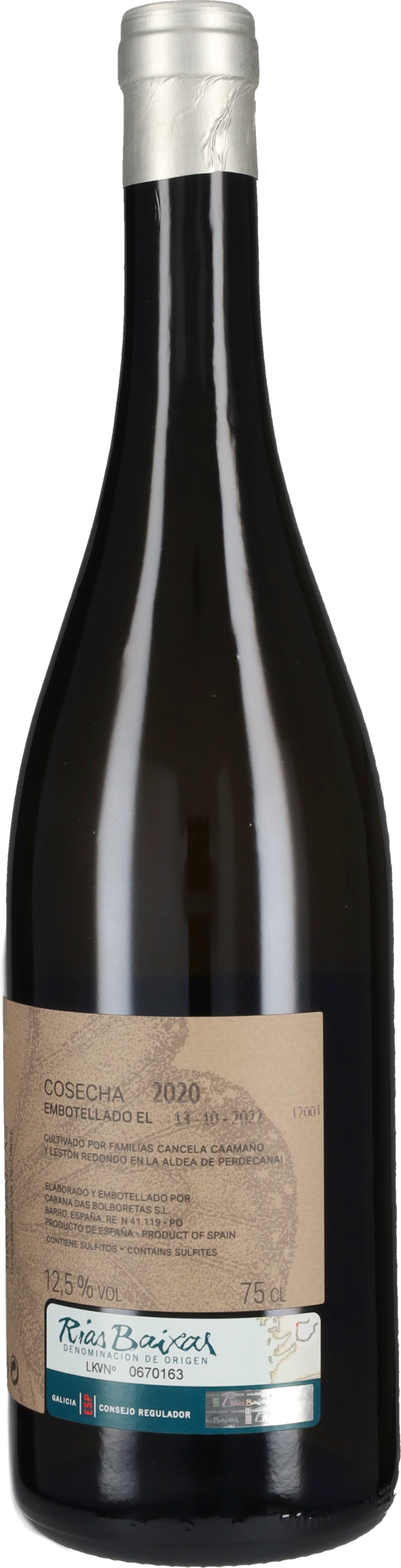

Similar search terms for Albariño-Valouta-Cabana-das
Top-Angebote
Products related to Albariño-Valouta-Cabana-das:



-
Do you say "Das war's" or "Das wär's"?
The correct phrase is "Das war's." This phrase is used to indicate that something is finished or completed. "Das wär's" is not a common phrase in German and would not be used in this context. **
-
Is it written as "das gleiche" or "das gleiche"?
The correct spelling is "das Gleiche." In German, nouns are capitalized, and "Gleiche" is a noun in this context. Therefore, it should be written with a capital letter. Additionally, "das" is the definite article for neuter nouns, so it should be used before "Gleiche" to make it grammatically correct. **
-
What does 'Das ist das schon immer da?' mean?
"Das ist das schon immer da?" is a German phrase that translates to "Has that always been there?" in English. This question is used to inquire about the existence or presence of something over a period of time. It can be used when noticing something for the first time and wanting to know if it has been there for a long time. **
-
Is it "Isst das auf?" or "Iss das auf?"
The correct phrase is "Iss das auf?" which translates to "Eat that up?" in English. The verb "iss" is the imperative form of "essen" (to eat) and is used when giving a command or instruction. The preposition "das" means "that" and "auf" means "up" in this context. **
How is it correctly written: das Reich sein, or das Reich sein, or das Reich sein?
The correct way to write it is "das Reich sein." In German, the verb "sein" (to be) is usually placed at the end of the sentence when used in the present tense. Therefore, the correct word order is "das Reich" (the empire) followed by the verb "sein" at the end. **
Is it about the German spelling, that "das" is "das"?
Yes, in German, "das" is the definite article for neuter nouns, regardless of the spelling. This means that whether a neuter noun is spelled with "das" or "dass," the definite article will always be "das." The spelling "dass" is used as a conjunction meaning "that" in German, while "das" is used as the definite article. Therefore, the use of "das" as the definite article is not dependent on the spelling of the noun. **
Top-Angebote
Products related to Albariño-Valouta-Cabana-das:
-
Albariño Corisca 2023The Albariño Rias Baixas from the Spanish winery Corisca is a white wine that stands out for its freshness and dynamic taste, produced in Galicia from grapes grown in organic farming. Among the foundations that guide the production of the Corisca winery, the safeguarding of the territory and its traditions plays a key role. In this perspective, in addition to sustainable agriculture, Corisca is committed to preserving the traditional training system of the Rias Baixas: the so-called “Parra,” a type of trellis. The vineyards, located along the valley of the Miño River, are surrounded by woods and mountains, natural elements that protect the plants from the strong Atlantic winds that sweep through the area.The Albariño Corisca Rias Baixas comes from pure Albariño grapes grown on granite soils characterized by an abundant presence of gravel. In particular, the plants are aged between 10 and 40 years and are cultivated in accordance with the principles of certified organic farming. After harvesting, the bunches are transferred to the winery, where they are vinified in white through soft pressing and alcoholic fermentation of the must in stainless steel tanks. In the same type of wine containers, the maturation phase of 3 months takes place, spent on the fine lees, in order to enrich the body and complexity of the wine.The Rias Baixas Albariño from Corisca has a bright straw yellow color with brilliant greenish reflections. The aromatic bouquet is described by intense fruity aromas of pear, apple, and fresh grape, combined with vivid mineral accents and hints of hay. A tasting of pronounced freshness and excellent balance, characterized by a dynamic and lifted progression that rests on a finish of good savory-mineral persistence.21,00 £*Shipping: 48,00 £Secure redirect to the provider
-
What does "Das ist das Schlimmste" mean?
"Das ist das Schlimmste" is a German phrase that translates to "That is the worst" in English. It is used to express extreme disappointment or dissatisfaction with a situation or outcome. The phrase conveys a strong sense of negativity and emphasizes that the situation being referred to is the most undesirable or unpleasant. **
-
Is it said "Das war's" or "Das wär's"?
The correct phrase is "Das war's." This phrase is used to indicate that something is finished or completed. "Das wär's" is not a common phrase in German and would not be used in this context. **
-
Do you say "Das war's" or "Das wär's"?
The correct phrase is "Das war's." This phrase is used to indicate that something is finished or completed. "Das wär's" is not a common phrase in German and would not be used in this context. **
-
Is it written as "das gleiche" or "das gleiche"?
The correct spelling is "das Gleiche." In German, nouns are capitalized, and "Gleiche" is a noun in this context. Therefore, it should be written with a capital letter. Additionally, "das" is the definite article for neuter nouns, so it should be used before "Gleiche" to make it grammatically correct. **
Similar search terms for Albariño-Valouta-Cabana-das
-
What does 'Das ist das schon immer da?' mean?
"Das ist das schon immer da?" is a German phrase that translates to "Has that always been there?" in English. This question is used to inquire about the existence or presence of something over a period of time. It can be used when noticing something for the first time and wanting to know if it has been there for a long time. **
-
Is it "Isst das auf?" or "Iss das auf?"
The correct phrase is "Iss das auf?" which translates to "Eat that up?" in English. The verb "iss" is the imperative form of "essen" (to eat) and is used when giving a command or instruction. The preposition "das" means "that" and "auf" means "up" in this context. **
-
How is it correctly written: das Reich sein, or das Reich sein, or das Reich sein?
The correct way to write it is "das Reich sein." In German, the verb "sein" (to be) is usually placed at the end of the sentence when used in the present tense. Therefore, the correct word order is "das Reich" (the empire) followed by the verb "sein" at the end. **
-
Is it about the German spelling, that "das" is "das"?
Yes, in German, "das" is the definite article for neuter nouns, regardless of the spelling. This means that whether a neuter noun is spelled with "das" or "dass," the definite article will always be "das." The spelling "dass" is used as a conjunction meaning "that" in German, while "das" is used as the definite article. Therefore, the use of "das" as the definite article is not dependent on the spelling of the noun. **
* All prices are inclusive of VAT and, if applicable, plus shipping costs. The offer information is based on the details provided by the respective shop and is updated through automated processes. Real-time updates do not occur, so deviations can occur in individual cases. ** Note: Parts of this content were created by AI.